Russian 19-year-old goes missing after police beat him and force him to sign army contract


Russian security forces beat a 19-year-old man from the city of Cheboksary and coerced him into signing a military contract under threat of criminal prosecution, his mother told the independent outlet ASTRA. Two months later he was deployed as an assault trooper and went missing after a combat mission.
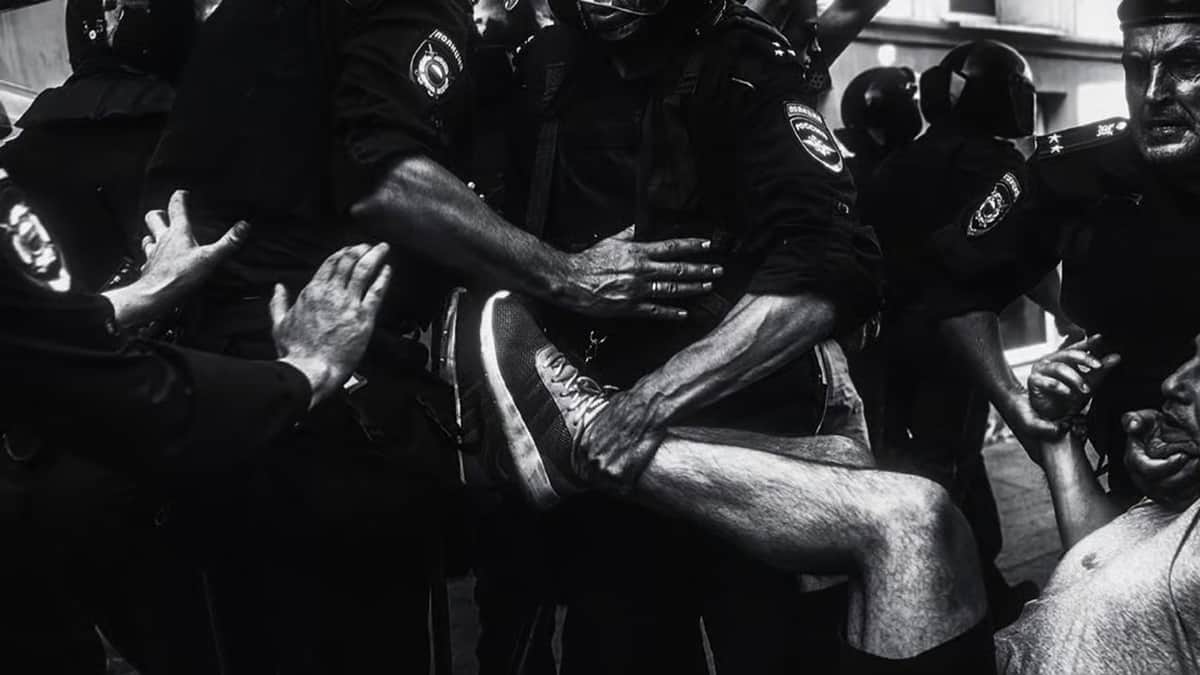
David Fyodorov was detained on the street on 15 May, ostensibly so police could verify his identity, though he was carrying his passport at the time, his mother, Polina Fyodorova, said. Officers took him to several police stations, and at one of them claimed to have found something illegal on his phone. They beat him and gave him a choice: seven years in prison or a military contract. “Under all that pressure, he signed the contract,” Fyodorova said.
Fyodorov had received a summons for compulsory military service a few days before his detention but had failed to report to the enlistment office. Three years earlier, at 16, he had been prosecuted for stealing a pair of headphones; his family paid a 10,000-ruble fine and compensation, and his criminal record was later cleared.
According to his mother, the entire enlistment process, including his medical review, was completed in a single day. He was sent to a military unit in Russia’s Yekaterinburg on 16 May, then to the occupied Ukrainian city of Donetsk on 18 May, without even having time to pack his belongings.
Fyodorov had reportedly been promised a post in a drone unit. Instead, on 22 July he was sent as an assault trooper toward the settlement of Maiak in the Donetsk region’s Pokrovsk district. That was the last day he made contact with his family; he has officially been listed as missing since 23 July.
His mother later spotted a photograph in a Ukrainian chat group showing a possible Russian prisoner of war who resembled her son, though there has been no confirmation that the man pictured is Fyodorov. She has filed complaints with the authorities, but says the only response she received came from the military commissar in Cheboksary, who showed her Fyodorov's documents and told her it would be almost impossible to prove he had been coerced into signing the contract.